
Hello everyone, August has been quite hot.
When it is hot, we need to take not only water but also some “salt” to prevent heat stroke.
However, even in such a summer, we should be careful not to take too much “salt”!
Today, I would like to talk in simple terms about the relationship between “salt,” which is indispensable in our daily lives, and cancer, which is a serious health problem. Salt is an indispensable seasoning for cooking, but it actually has a significant impact on our health. In particular, its relationship with cancer is worth noting.
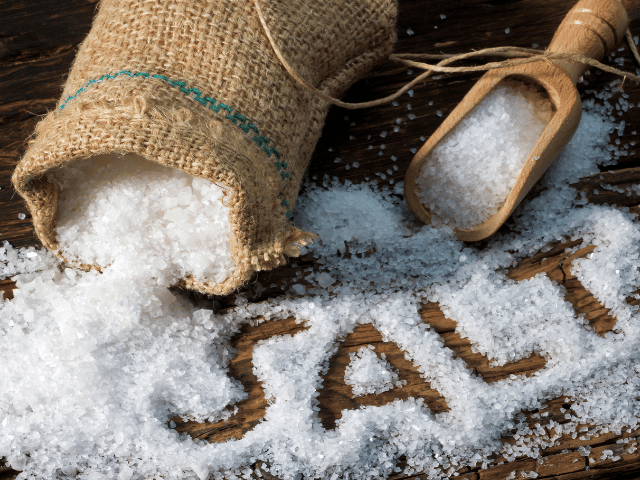
What is salt? Its role and importance
First, let’s keep some basic facts about salt in mind. Salt is chemically called sodium chloride and is an essential substance for our bodies. Salt has the following important roles
Regulating the balance of water in the body
Maintaining normal function of the nervous system
Supporting muscle contraction
Preserving and flavoring food
Thus, salt is essential to our health and well-being. However, as the saying goes, “too much of a good thing”, too much salt intake can cause a variety of health problems.
relationship between excessive salt intake and cancer
This brings us to the main issue. I will explain the relationship between excessive salt intake and cancer, based on the results of scientific studies.
Relationship to Stomach Cancer
The strongest association has been noted with stomach cancer. Excessive salt intake may increase the risk of gastric cancer through the following mechanisms
Direct damage to the gastric mucosa
Promotes the growth of Helicobacter pylori bacteria
Increases the production of carcinogens
The International Agency for Research on Cancer (IARC) of the World Health Organization (WHO) classifies salt as “probably carcinogenic”.
Association with Colorectal Cancer
Colorectal cancer has also been linked to excessive salt intake. A high-salt diet can upset the balance of the intestinal microflora and cause inflammation. This is believed to lead to an increased risk of colorectal cancer.
Association with other cancers
In addition to stomach and colorectal cancer, it has been suggested that excessive salt intake may increase the risk of the following cancers
Esophageal cancer
Nasopharyngeal cancer
However, these associations require further research.
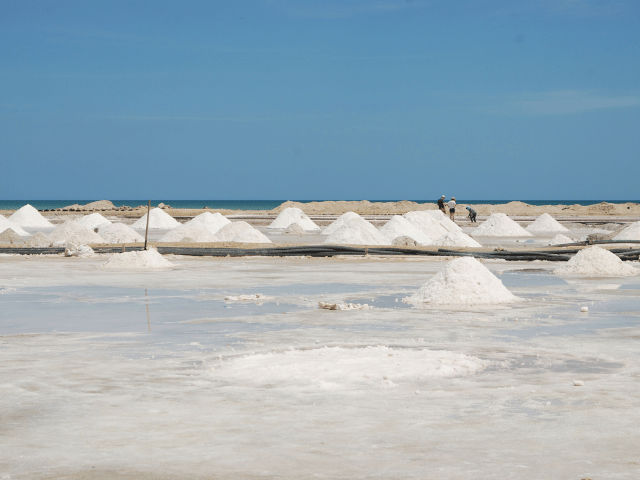
what is an adequate salt intake?
So what is the appropriate level of salt intake?
WHO recommends a daily salt intake of less than 5 g (about 2 g in terms of sodium). However, in many countries, the actual intake is much higher than this recommended amount.
In the case of the Japanese, the average salt intake is said to be about 10 g per day, which is more than double the WHO recommendation.
specific ways to reduce salt intake
Here are some ways to reduce salt intake that you can practice in your daily life.
Cooking
Use vinegar, lemon juice and spices instead of soy sauce and salt.
Use dashi (Japanese soup stock) to compensate for salt by adding umami flavor.
Use more fruits and vegetables to take advantage of their natural sweetness.
Review eating habits
Avoid prepared foods, processed foods, and eating out, and increase home-cooked meals.
Leave the juice from noodles such as udon and ramen (pay special attention to the juice from ramen!)
Avoid consumption of pickles and salted foods
Try to make dishes as lightly seasoned as possible, so that the flavors of the ingredients can be enjoyed
Be careful with potato chips, snack foods, etc.
Use moderate amounts of sauces, soy sauce, mayonnaise, dressings, ketchup, etc.
Check food labels
When purchasing processed foods, prepared foods from supermarkets, and boxed lunches from convenience stores, make it a habit to check the amount of sodium on the Nutrition Facts label.
To determine if your daily amount is adequate, remember the amount recommended by the WHO as reported above.
WHO recommends a daily salt intake of less than 5g (about 2g in terms of sodium)
the importance of a balanced diet
While it is important to reduce salt intake, it is not the only way to perfect cancer prevention. A comprehensive approach to cancer prevention is important, including the following
Consume adequate amounts of fruits and vegetables
Exercise moderately
Quit smoking
Maintain an appropriate weight
Avoid excessive alcohol consumption
Summary
Put the knowledge you have learned into action!
How did you learn about the relationship between salt and cancer? Salt is an essential part of our lives, but we must be careful not to consume too much. To reduce the risk of cancer, it is important to maintain an appropriate salt intake and a balanced diet.
We encourage you to apply the knowledge gained from this article to your daily life. A healthy lifestyle cannot be achieved overnight, but a series of small efforts can make a big difference. For the sake of your healthy future, let’s all be conscious of our salt intake starting today.
Finally, if you have any health concerns, be sure to consult your health care professional. This article is for general informational purposes only and is not intended to replace individualized medical advice.
I wish you all a healthy and happy life!
Do your best to avoid summer fatigue!