
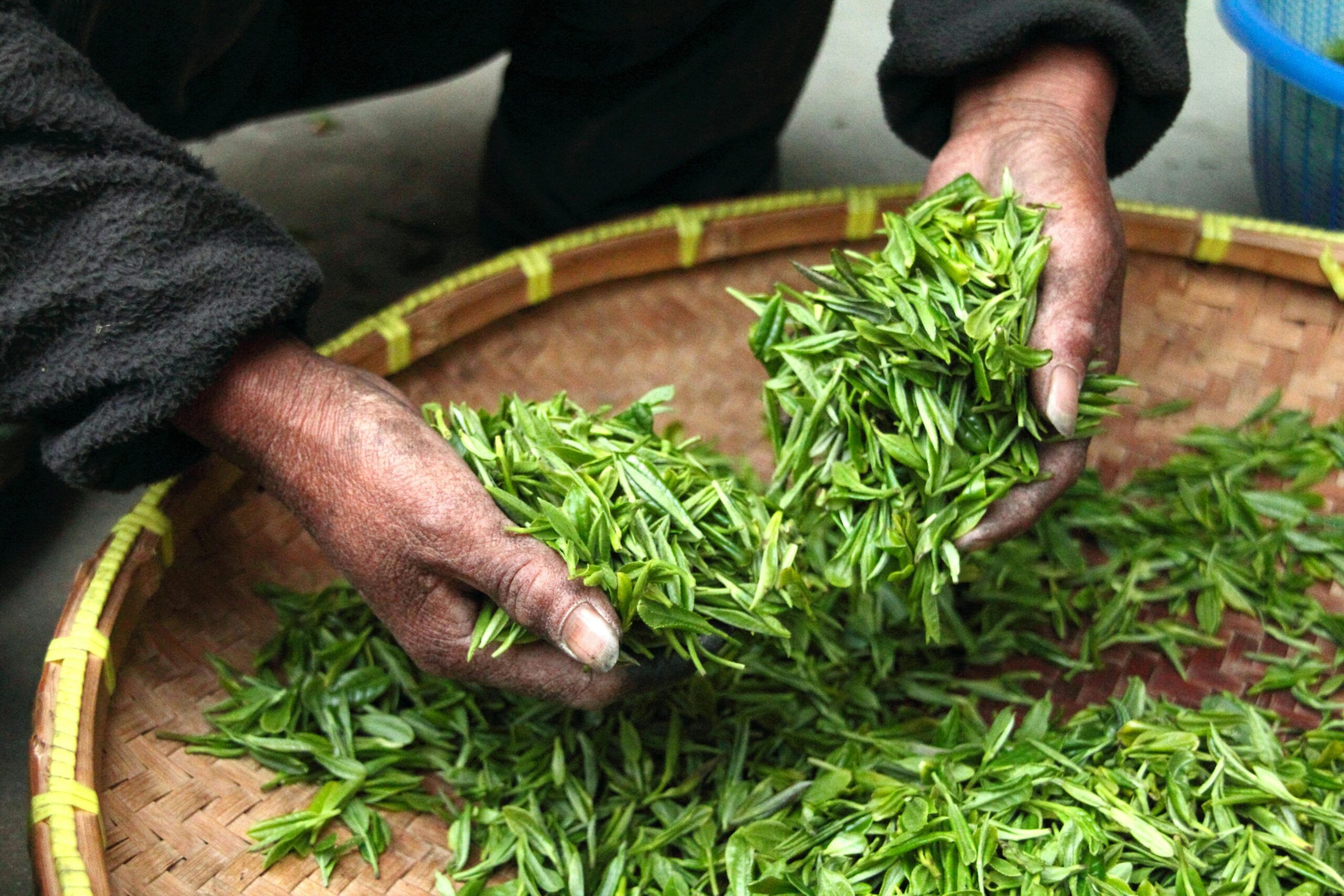
The mechanism by which green tea suppresses the growth of cancer cells
There are several reasons why green tea suppresses the growth of cancer cells, so let’s look at them together.
In this article, we have summarized five of them, and we hope you will take a look at them.
Antioxidant properties
Green tea is rich in polyphenols called catechins.
Catechins are powerful antioxidants that remove active oxygen in the body.
Reactive oxygen species, also known as the source of cancer, are known to damage cells and cause DNA damage, which is thought to be a factor in the development of cancer.
Among the catechins contained in green tea, epigallocatechin gallate (EGCG) has been found to have particularly strong antioxidant effects.
EGCG not only removes reactive oxygen species from cells, but also has the effect of suppressing the action of enzymes that generate reactive oxygen species.
Anti-inflammatory action
Chronic inflammation has been shown to play a role in the development and progression of cancer.
Catechins in green tea have anti-inflammatory properties and inhibit substances that cause inflammation.

Cell death inducing effect
Catechins in green tea not only inhibit the growth of cancer cells, but also induce cell death, known as apoptosis.
Apoptosis plays an important role in eliminating unwanted cells in the body.
Catechins in green tea have been shown to activate the apoptosis signaling pathway in cancer cells and promote cell death.
Inhibition of DNA repair
Catechins in green tea also have the effect of inhibiting the action of DNA repair enzymes.
DNA repair enzymes are enzymes that repair DNA damage and play a role in preventing cells from becoming cancerous.
However, cancer cells are known to have more active DNA repair enzymes, which is one of the factors that make the treatment of cancer cells difficult.
Catechins in green tea have been shown to inhibit the function of DNA repair enzymes, thereby preventing DNA repair in cancer cells and promoting cell death.
Inhibition of angiogenesis
Cancer cells need to create new blood vessels, called angiogenesis, to supply nutrients and oxygen necessary for tumor growth.
Catechins in green tea also have an inhibitory effect on angiogenesis.
Catechins in green tea have been shown to inhibit tumor growth by blocking the action of growth factors and enzymes involved in angiogenesis.
What are the effects of using teas other than green tea?
Oolong Tea
Oolong tea is rich in polyphenols called catechins and theaflavins.
These polyphenols have been shown to have a variety of anticancer effects, including antioxidant, anti-inflammatory, and cell death inducing effects.
In particular, it has been suggested that theaflavins in oolong tea have stronger antioxidant and anticancer effects than the catechins in green tea.

Rooibos Tea
Rooibos tea is made from rooibos, a plant native to South Africa.
Rooibos tea is rich in antioxidants called flavonoids and chromonals.
These antioxidants have been shown to have a variety of health benefits, including antioxidant, anti-inflammatory, and immune-stimulating effects.
Although there is not yet sufficient research on the anti-cancer effects of rooibos tea, animal studies suggest that it is effective in inhibiting the growth of cancer cells.

Hibiscus Tea
Hibiscus tea is a tea made from hibiscus flowers. Hibiscus tea is rich in pigments called anthocyanins. Anthocyanins have been shown to have a variety of health benefits, including antioxidant, anti-inflammatory, and vascular protective effects.
Although there is still insufficient research on the anti-cancer effects of hibiscus tea, animal studies suggest that it is effective in inhibiting the growth of cancer cells.

Yerba Mate Tea
Yerba Mate tea is made from yerba mate, a plant native to South America.
Yerba mate tea is rich in caffeine, stimulants such as theobromine, and antioxidants such as catechins and chlorogenic acid.
Although the anti-cancer effects of yerba mate tea have not yet been fully investigated, animal studies suggest that it is effective in inhibiting the growth of cancer cells.

Dandelion Tea
Dandelion tea is a tea made from the flowers and leaves of the dandelion plant.
Dandelion tea is rich in a bitter substance called taraxacin, as well as vitamins and minerals.
Taraxacin is known to have various health benefits, including antibacterial, anti-inflammatory, and detoxifying effects.

Foods other than green tea that can be expected to inhibit the growth of cancer cells
Cruciferous vegetables: broccoli, cauliflower, cabbage, etc.
Berries: blueberries, raspberries, strawberries, etc.
Mushrooms: shiitake, maitake, enokitake, etc.
Tomatoes: lycopene
Garlic: allicin
Soy products: isoflavone
Seafood: omega-3 fatty acids
These foods contain ingredients with various anticancer effects, including antioxidant, anti-inflammatory, cell death inducing, DNA repair inhibitory, and angiogenesis inhibitory effects.
Summary
Green tea, oolong tea, yerba mate, etc., introduced above, are not expected to be effective even if consumed in large quantities, so be careful not to drink too much.
It is not known whether or not the beverages introduced above will alleviate cancer, so those who are undergoing treatment should consult a doctor.