
Acrylamide, a well-known carcinogen
The foods you eat on a daily basis may be increasing your chances of cancer.
We have researched carcinogenic foods found in products around you and will provide you with a summary of them.
This time, I will summarize and look at “acrylamide,” which many people know about.
Relationship between acrylamide and cancer
Acrylamide is a carcinogen that is produced in foods cooked at high temperatures.
In animal studies, acrylamide has been shown to increase the risk of developing liver, lung, and breast cancers.
Human studies have not yet fully established the relationship between acrylamide and cancer risk.
However, several studies suggest that people with higher acrylamide intake tend to have a higher risk of developing stomach, esophageal, and kidney cancers.
There is no doubt that it is recognized as a possible substance, although it has not yet been elucidated and the causal relationship is unknown.
High acrylamide content
Foods with high acrylamide content are listed below.
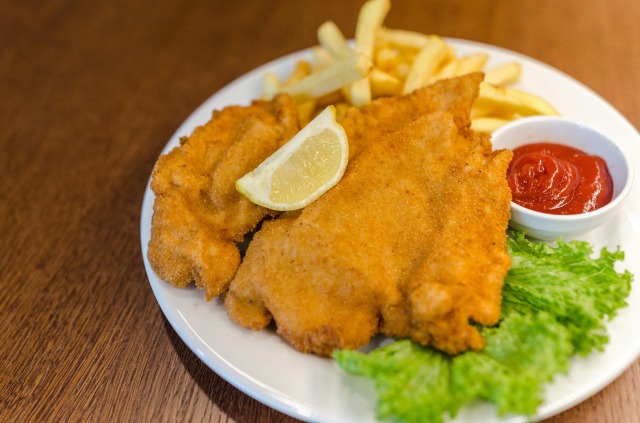
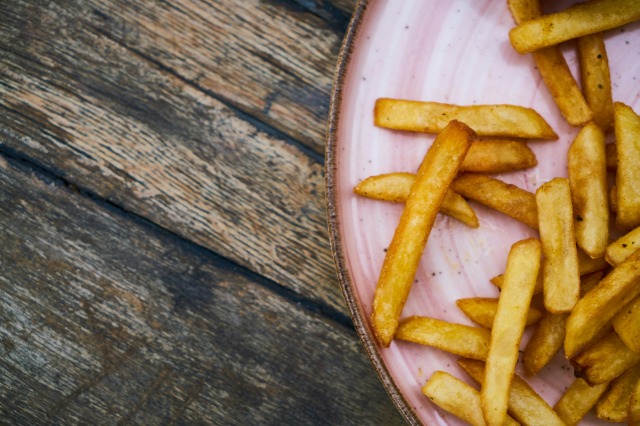
Fried foods: French fries, fried foods, croquettes, tempura, etc.
Baked foods: bread, cookies, crackers, pizza, grilled fish, etc.
Processed foods: instant noodles, snacks, frozen foods, etc.
In Japanese food, the following foods may contain high levels of acrylamide
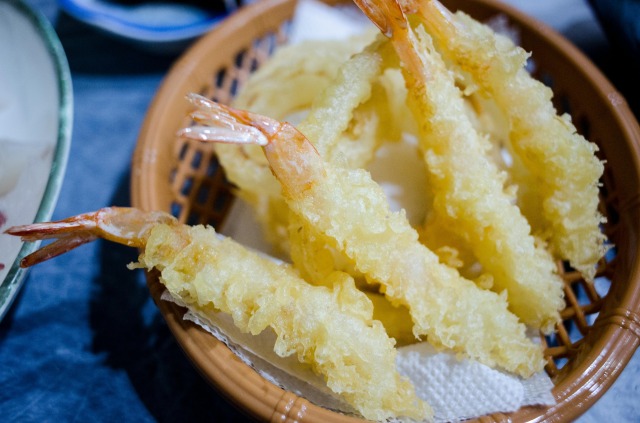
Tempura: Among fried foods, tempura has been found to contain particularly high levels of acrylamide.
Grilled fish: Grilled fish can produce high levels of acrylamide, depending on how it is cooked. In particular, browning the fish or grilling it at high temperatures for a long time increases the amount of acrylamide produced.
Yaki Onigiri: Yaki Onigiri (grilled rice balls) may produce more acrylamide when the surface is charred.
↑To be honest, this is coming. (I think all Japanese foods are my favorite foods. I am very sorry, but I will take this opportunity to reduce the amount of food I eat a little.)
Things to keep in mind to reduce acrylamide intake
Fried and baked foods should be used sparingly.
Fried and baked foods should be used sparingly, as they produce high levels of acrylamide, depending on the cooking method.
Lower cooking temperatures
Fried and baked foods appear to produce less acrylamide by using lower cooking temperatures.
Avoid burning
Fried and baked foods seem to reduce the amount of acrylamide produced by avoiding burnt food.
Consume more fruits and vegetables
Vegetables and fruits are rich in antioxidants such as vitamins C and E. These antioxidants have the effect of lowering the risk of carcinogenesis caused by acrylamide.
It would be very difficult to completely eliminate acrylamide from our daily diet.
Therefore, it is preferable to avoid eating them as much as possible, if not eliminate them completely.
How to reduce acrylamide at home
To reduce acrylamide intake by cooking your own food, try the following points
- try lower cooking temperatures
Cook fried foods at 160°C or lower and baked foods at 200°C or lower.
Using a microwave oven or steamer is also effective.
- shorten cooking time
The longer the cooking time, the more acrylamide is produced.
It is also effective to keep the size of the ingredients in line and ensure even cooking. 3.
- avoid burn marks
Burn marks contain high levels of acrylamide.
Use aluminum foil or heat slowly over low heat to prevent scorching.
- replenish moisture
Supplementing moisture will inhibit the production of acrylamide.
Consume vegetables, fruits, and soups.
- use creative cooking methods
It may be possible to reduce the amount of acrylamide by choosing cooking methods such as baking, boiling, and steaming instead of deep frying.
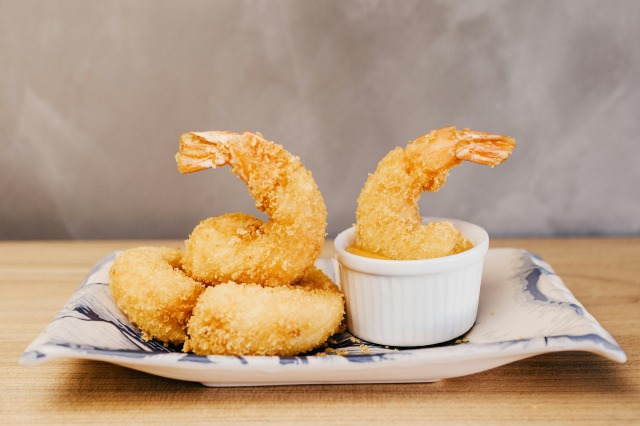
If you use bread crumbs, use a thin layer of bread crumbs. ←This is easy to do, so keep it in mind.
Vegetables that contain acrylamide
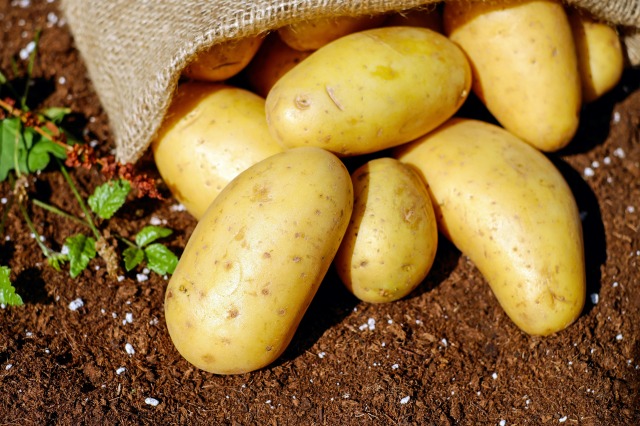
Vegetables that may contain acrylamide are now listed below.
Potatoes
Asparagus
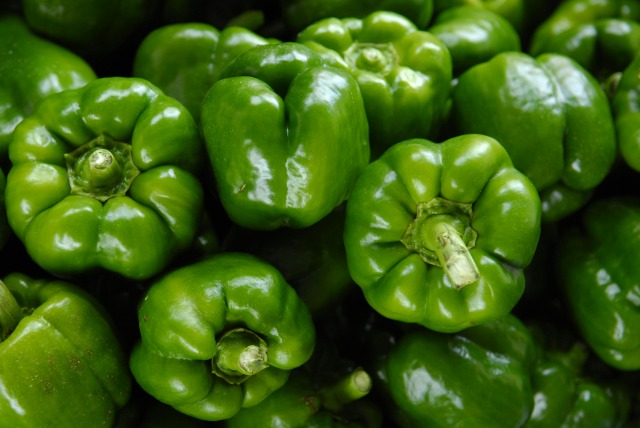
green peppers
lotus root
Mushrooms
However, the amount of acrylamide in these vegetables seems to be very small compared to other foods such as fried or grilled foods, so there should not be that much concern.
Cooking Methods to Reduce Acrylamide Content in Vegetables
lower cooking temperature
Cooking temperatures can be lowered to reduce the amount of acrylamide produced.
When boiling vegetables, put them in boiling water and cook slowly over low heat.
When making stir-fry, stir-fry slowly over low heat.
- shorten cooking time
Shortening the cooking time can reduce the amount of acrylamide produced.
When boiling vegetables, do not boil them longer than necessary.
When stir-frying, stir-fry quickly, taking care not to burn the vegetables. 3.
- replenish moisture
Supplementing vegetables with water can reduce the amount of acrylamide produced.
When boiling vegetables, soak them in water before boiling.
When making stir-fry, coat vegetables with oil before stir-frying.
- use creative cooking methods
Avoid deep frying and choose cooking methods such as boiling, simmering, or steaming.
Using a microwave oven is also effective.
Others
Vegetables can be cooked with their skins on, which provides more dietary fiber.
Dietary fiber has been shown to lower the risk of carcinogenesis from acrylamide.
It is difficult to avoid acrylamide altogether, but the above measures are helpful,
By cooking vegetables, you can reduce your intake of acrylamide and maintain a healthy diet.ましょう。