
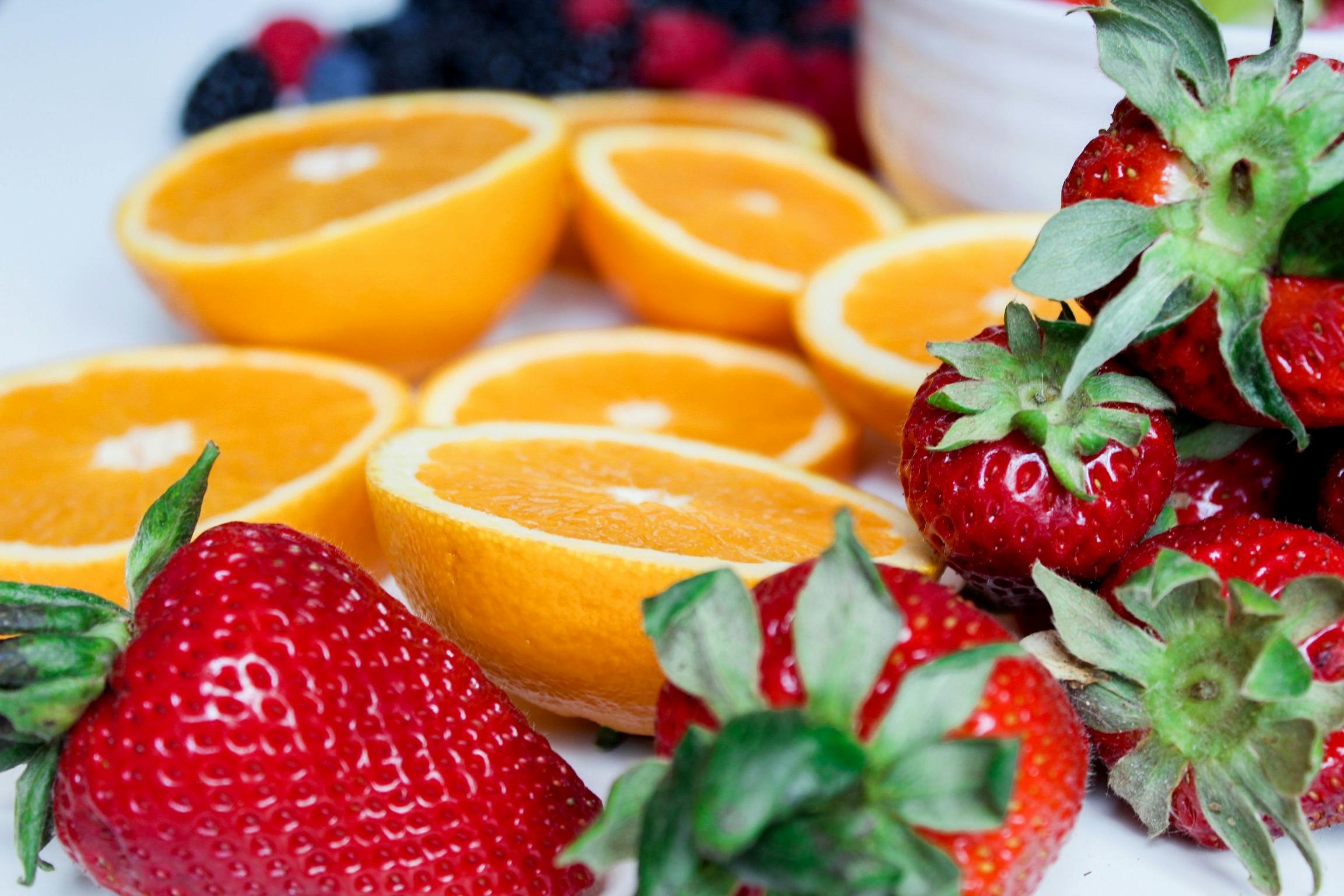
Foods that inhibit the growth of cancer cells?
Are there foods that inhibit the growth of cancer cells?
If there are foods, we would like to know about them!
As it turns out, we have not found any such convenient foods.
However, we have found some foods that may inhibit the growth of cancer cells, so let us introduce some of them to you.
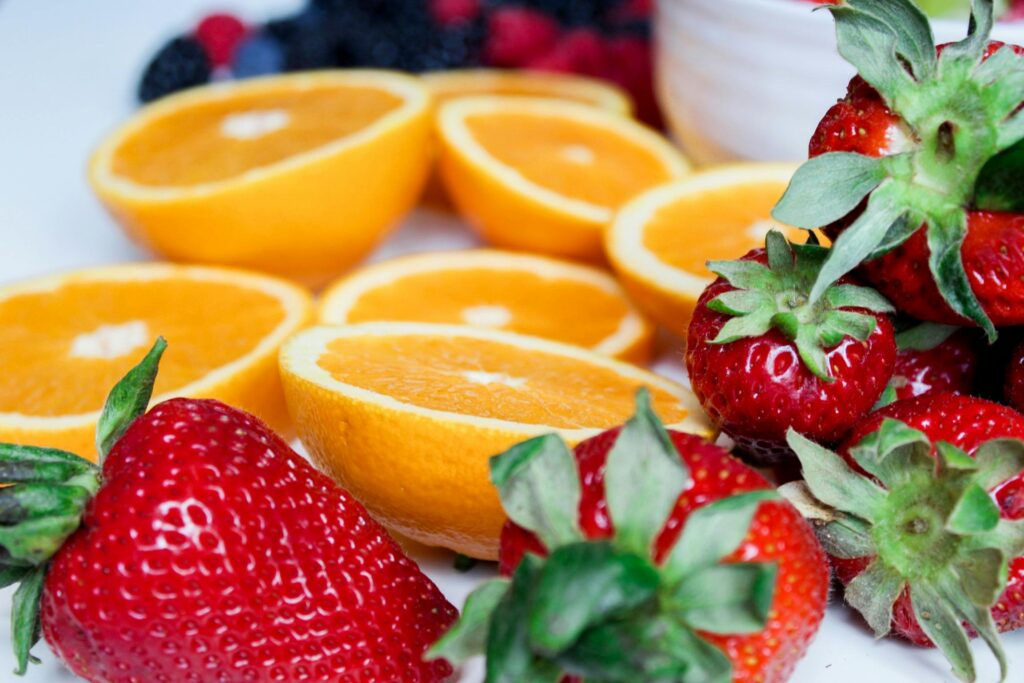
Vegetables and Fruits
Vegetables and fruits are rich in a variety of vitamins, minerals, and phytochemicals.
These nutrients have antioxidant and anti-inflammatory properties that may inhibit the growth of cancer cells.
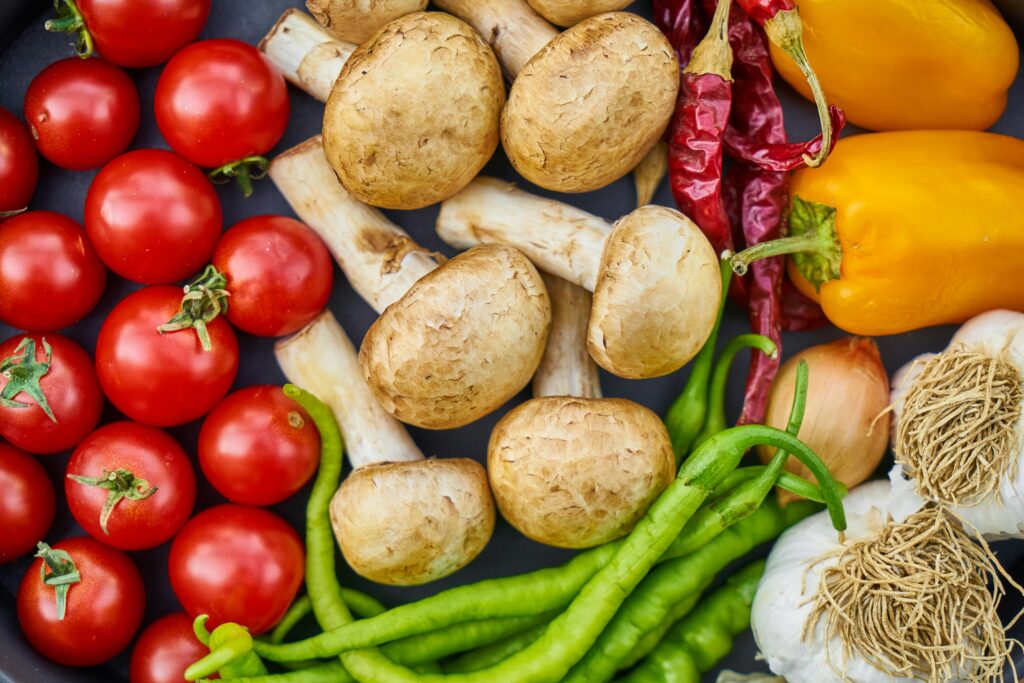
Broccoli, cauliflower, cabbage, garlic, tomatoes, and berries are considered particularly effective. (More details below)
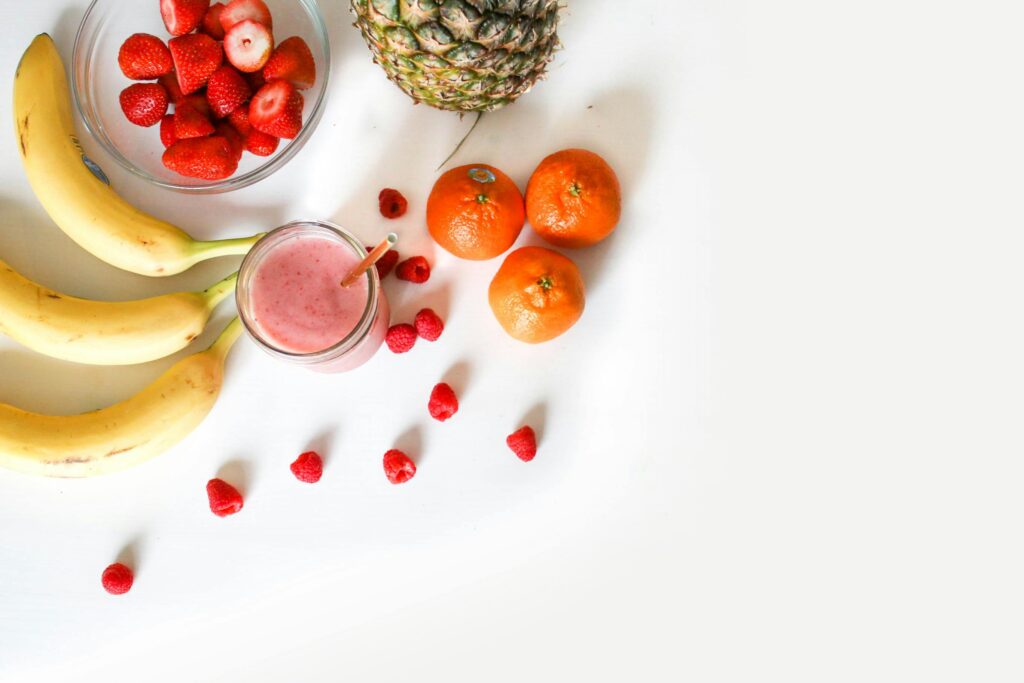
Cancer Preventive and Inhibitory Effects of Fruits and Vegetables
Antioxidant action
Antioxidants such as vitamin C, vitamin E, and β-carotene, which are abundant in fruits and vegetables, remove active oxygen in the body and prevent cell damage.
Reactive oxygen species are known to cause DNA damage and genetic mutation, and increase the risk of developing cancer.
Anti-inflammatory action
Anti-inflammatory substances such as phytochemicals found in fruits and vegetables reduce inflammation in the body.
Chronic inflammation has been shown to play a role in the development and progression of cancer.
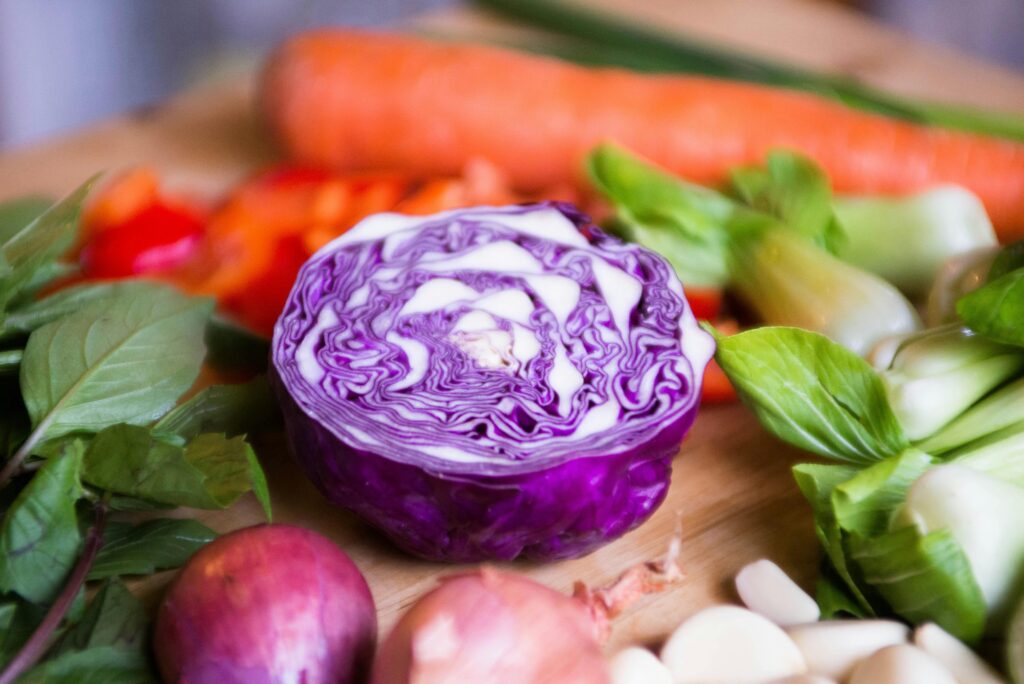
Recommended Fruits and Vegetables
- cruciferous vegetables
Broccoli
Cauliflower
Cabbage
Komatsuna (Japanese mustard spinach)
qinggengcai (Chinese qinggengcai)
- berries
Blueberries
Raspberries
Strawberries
Blackberries
- mushrooms
Shiitake mushrooms
Maitake mushroom
Enoki mushroom
Bunashimeji mushrooms
- tomatoes←especially recommended
Lycopene: strong antioxidant effect
β-carotene: Antioxidant action, anti-inflammatory action
- garlic←especially recommended★
Allicin: antioxidant, antibacterial action, anti-cancer action
Allicin: Antioxidant action, antibacterial action, anti-cancer action
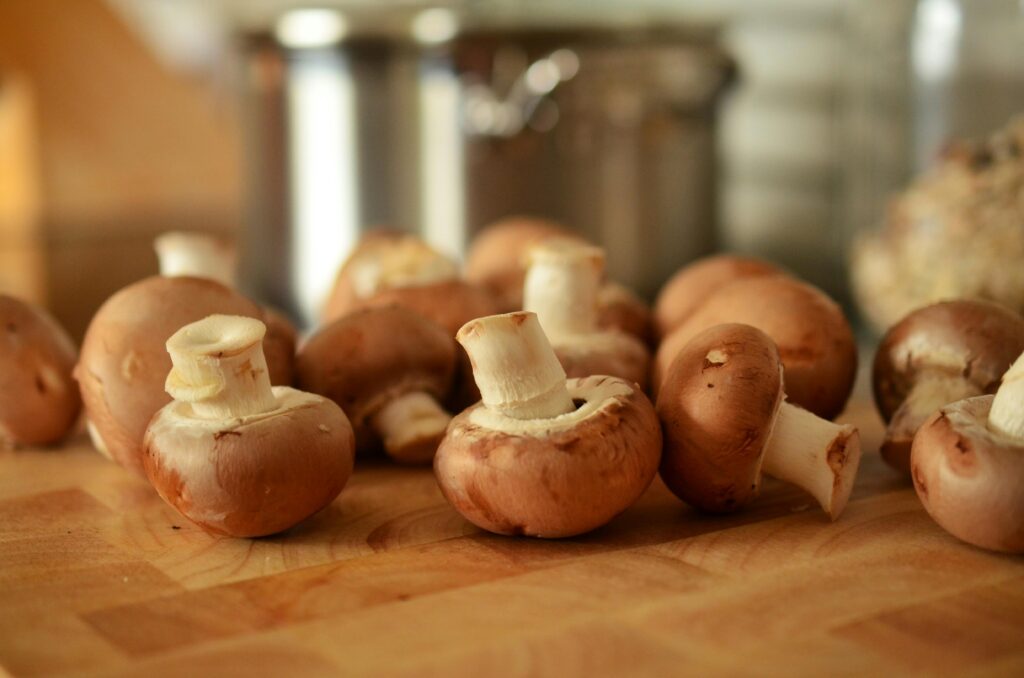
Mushrooms
Mushrooms are rich in a dietary fiber called beta-glucan.
Beta-glucan is expected to be effective in activating immune cells to attack cancer cells and in regulating the intestinal environment to help prevent cancer.
Shiitake, maitake, and enokitake mushrooms are considered to be particularly effective.
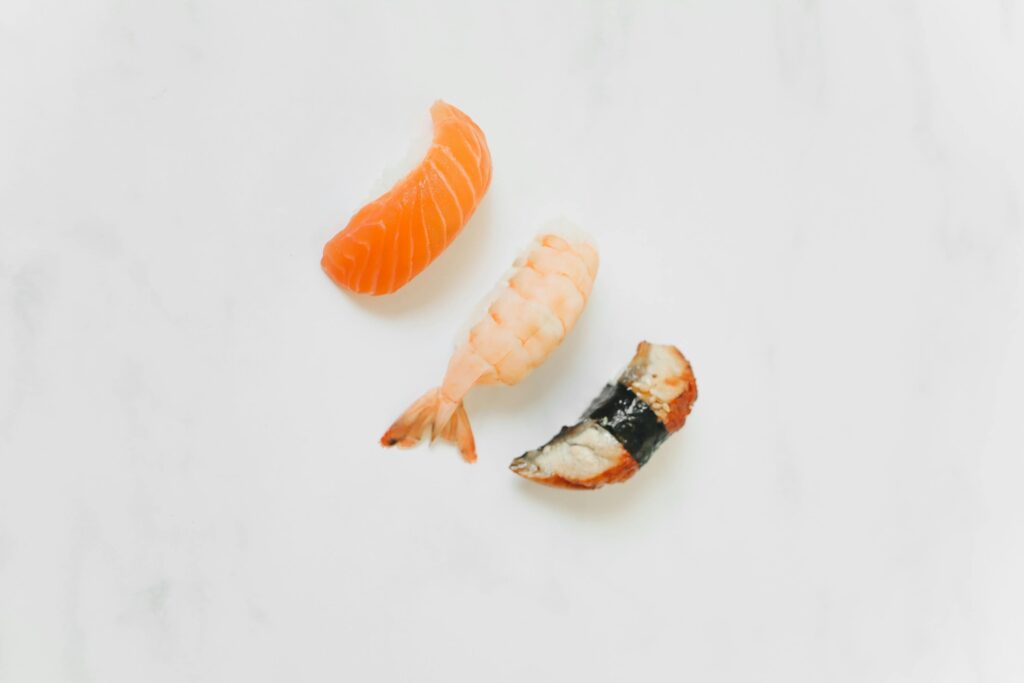
Seafood
Seafood is rich in unsaturated fatty acids called omega-3 fatty acids.
Omega-3 fatty acids have anti-inflammatory and anti-tumor effects, and are expected to inhibit the growth of cancer cells.
Blue fish (mackerel, sardines, horse mackerel, etc.) are considered to be particularly effective.
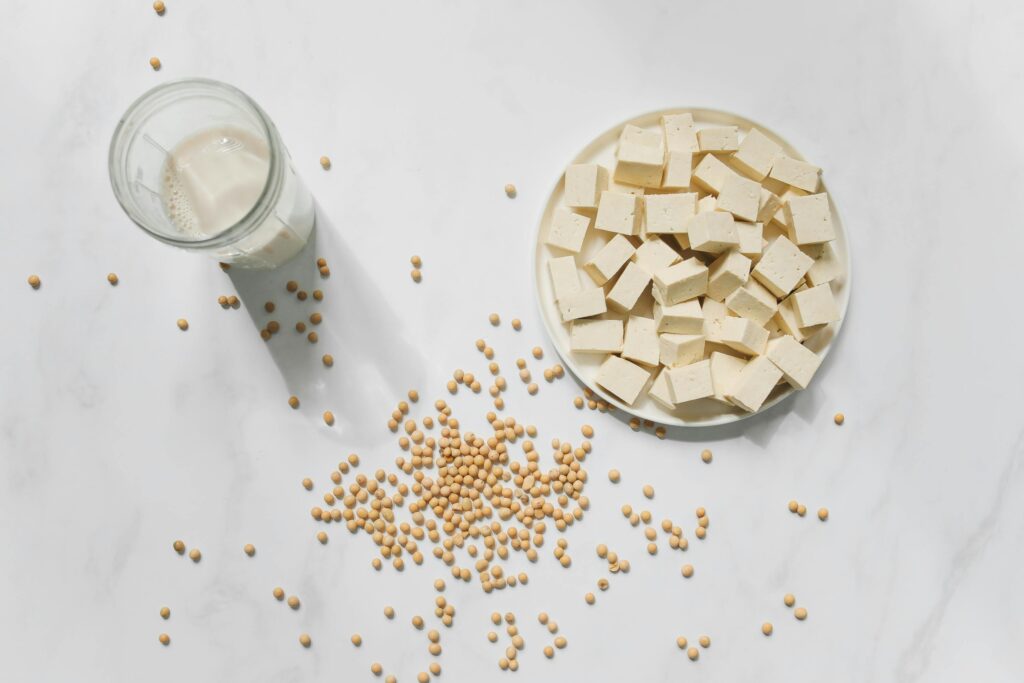
Soy Products
Soy products are rich in phytoestrogens called isoflavones. Isoflavones have antioxidant and anti-inflammatory effects, and are expected to inhibit the growth of cancer cells.
Natto (fermented soybeans), tofu, and soy milk are considered to be particularly effective.
Since I also drink soy milk every day, one day in two, in the morning, it is a pleasant fact that this can be expected to be effective.
I also like natto and tofu, so I decided to include them more and more in my daily diet.
Green Tea
Green tea is rich in polyphenols called catechins.
Catechins have antioxidant and anti-inflammatory effects, and can be expected to inhibit the growth of cancer cells.
Let’s take a look at the benefits you can expect from green tea.
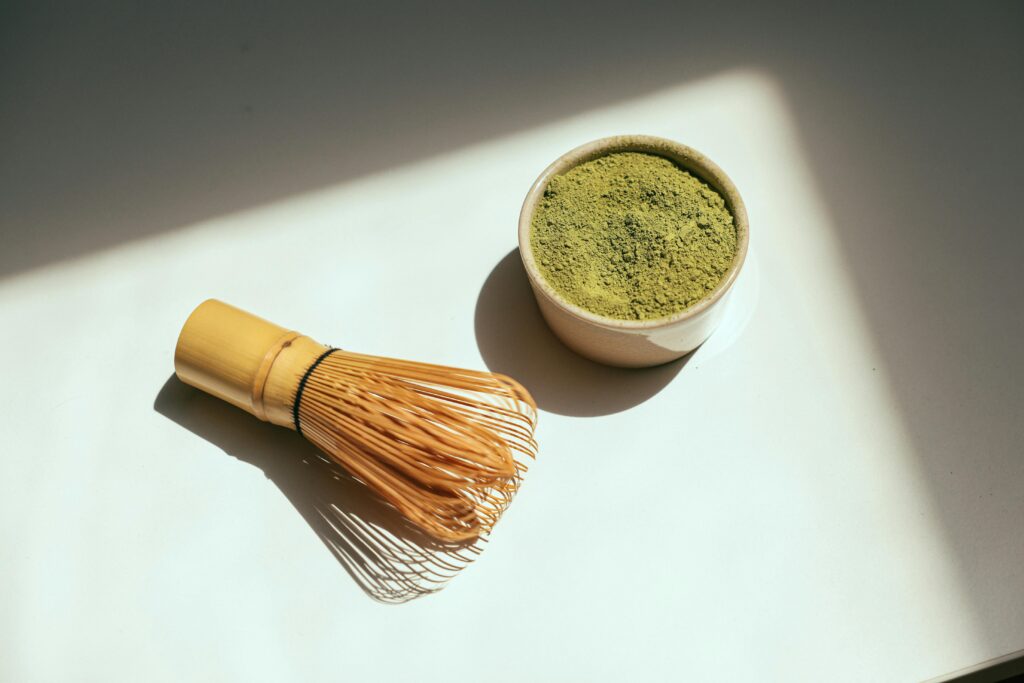
Antioxidant properties
Green tea is rich in polyphenols called catechins.
Catechins are powerful antioxidants that remove active oxygen in the body.
Reactive oxygen species are known to damage cells and cause DNA damage, which is thought to be a factor in the development of cancer.
Among the catechins contained in green tea, epigallocatechin gallate (EGCG) has been found to have particularly strong antioxidant properties.
EGCG not only removes reactive oxygen species from cells, but also seems to have the effect of suppressing the action of enzymes that generate reactive oxygen species.
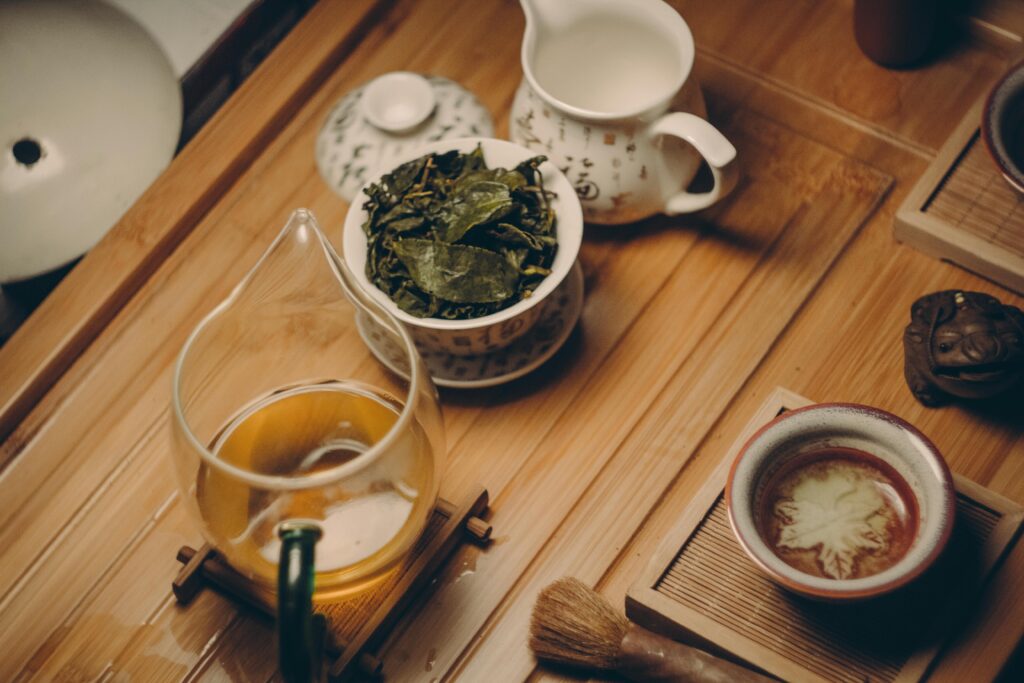
Anti-inflammatory action
Chronic inflammation has been shown to play a role in the development and progression of cancer.
Catechins in green tea have anti-inflammatory properties and inhibit the production of substances that cause inflammation.
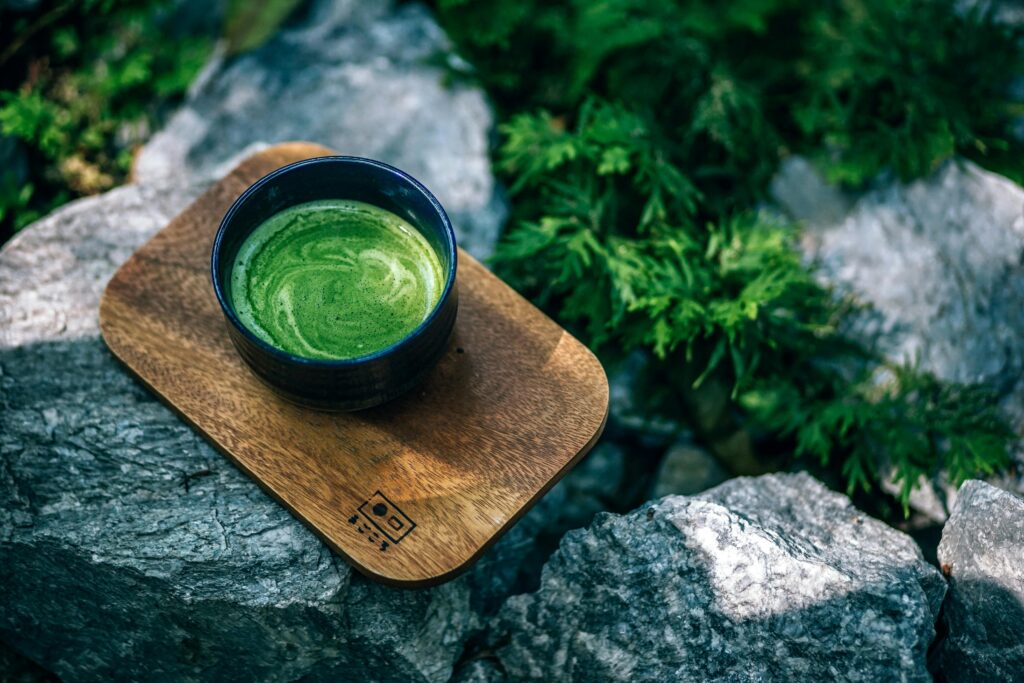
Cell death inducing effect
Catechins in green tea not only inhibit the growth of cancer cells, but also induce cell death, known as apoptosis.
Catechins in green tea have been shown to activate the apoptosis signaling pathway in cancer cells and promote cell death.
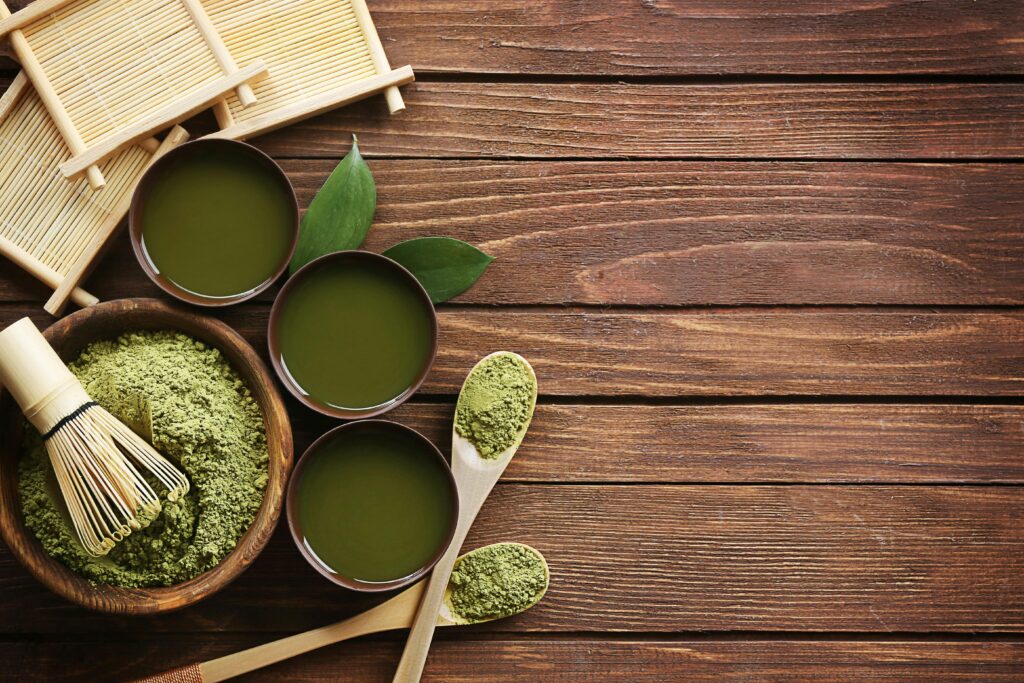
Inhibition of DNA repair
Catechins in green tea also appear to inhibit the action of DNA repair enzymes.
DNA repair enzymes are enzymes that repair DNA damage and play a role in preventing cells from becoming cancerous.
However, cancer cells are known to have more active DNA repair enzymes, which is one of the factors that make the treatment of cancer cells difficult.
Catechins in green tea have been shown to inhibit the function of DNA repair enzymes, thereby preventing DNA repair in cancer cells and promoting cell death.

Inhibition of angiogenesis
Cancer cells need to create new blood vessels, called angiogenesis, to supply nutrients and oxygen necessary for tumor growth.
Catechins in green tea also have an inhibitory effect on angiogenesis.
It has been shown that catechins in green tea inhibit tumor growth by blocking the action of growth factors and enzymes involved in angiogenesis.
Not only green tea, but also sencha, gyokuro, oolong tea, hojicha, and other teas contain catechins, so it is considered a good idea to take “tea” proactively.
Since I often drink tea in a teapot on a regular basis, I thought I would continue to do so.

Recent Research Results
In recent years, various studies have reported results suggesting that certain foods may be effective in inhibiting cancer cell growth.
Unfortunately, at this time, however, there is insufficient scientific evidence that these foods, taken alone, can reliably prevent or treat cancer.
It does not appear that they are completely ineffective, so we should continue to take what we think is good for us.