
If you are a woman in your 20’s or 30’s right now and
You are thinking about getting married. And you are thinking about having a baby within 1-3 years, I have researched and compiled this case.
This will be a story that will be relevant to my son.
My son is in his 20s and will consider marriage in the future if he has a good partner.
At that time, I think it is possible that his partner will be diagnosed with cancer.
This time, it is a story that could be close to home.
Is it possible to have a baby after cancer, YES or NO?
The answer is yes.
It appears that childbirth is possible even if you have cancer.
Whether or not pregnancy and childbirth are possible depends on the type of cancer, the degree of progression, the nature of treatment, the patient’s age and physical strength, etc. However, in most cases, with appropriate treatment and support, it seems possible to achieve pregnancy and childbirth.
It is a relief to know that in many cases, childbirth is possible.
However, of course, it depends on the type of “cancer.
Let’s take a look at the types of “cancer” that make pregnancy and childbirth possible.
types of cancer that are considered less likely to affect pregnancy and childbirth
Skin cancer: Characterized by a relatively slow progression and ease of early detection and treatment.
Thyroid cancer: This type of cancer is often detected during pregnancy, and with appropriate treatment, rarely affects pregnancy and childbirth.
Early-stage gastric cancer: Early-stage cancer of the stomach can be cured with appropriate treatment. Pregnancy and childbirth do not increase the risk of recurrence.
Early-stage cervical cancer: Early-stage cervical cancer can be cured with proper treatment. Pregnancy and childbirth do not increase the risk of recurrence.
Kidney cancer: Kidney cancer is characterized by slow progression. It is easy to detect and treat early.
types of cancer that may affect pregnancy and childbirth
Breast cancer: Hormone-sensitive cancer; changes in hormonal balance due to pregnancy may hasten the progression of the cancer.
Ovarian cancer: Hormone-sensitive cancer that may progress faster if pregnancy alters the hormonal balance.
Uterine cancer: Hormone-sensitive cancer that can be accelerated by pregnancy and hormonal imbalance.
Pelvic cancers: These include cervical, vaginal, vulvar, and rectal cancers. These cancers may be difficult to treat due to pregnancy and childbirth.
Highly advanced cancers: Highly advanced cancers are more difficult to treat and carry a higher risk of pregnancy and childbirth.

if you wish to become pregnant or have a baby
If you wish to become pregnant or have a baby after being diagnosed with cancer, it is always important to consult your doctor. The physician will make a comprehensive assessment of the patient’s condition and will often explain the following points
Whether pregnancy and childbirth are possible
Risks associated with pregnancy and childbirth
Explanation of necessary treatment
Follow-up after pregnancy and delivery

possibility of pregnancy and childbirth
The possibility of pregnancy and childbirth depends on the type of cancer, the degree of progression, the treatment, and the patient’s age and physical fitness.
Type of cancer:.
Hormone-sensitive cancers (breast, ovarian, and uterine cancers) may progress faster if the hormonal balance is altered by pregnancy.
Pelvic cancers may be difficult to treat due to pregnancy or childbirth.
Early-stage cancers are likely to allow pregnancy and childbirth with appropriate treatment.
Advanced:.
More advanced cancers are more difficult to treat and carry a higher risk of pregnancy and childbirth.
Treatment:.
Anticancer treatment can damage the ovaries and uterus, reducing the ability to conceive and bear a child.
Radiation therapy, when irradiating the uterus and ovaries, may decrease the ability to conceive and bear children.
Age/Fitness:.
As age advances, the risk of pregnancy and childbirth increases.
Decreased physical fitness may make pregnancy and childbirth more difficult.

Risks associated with pregnancy and childbirth
Risks associated with pregnancy and childbirth depend on the type of cancer, the degree of progression, the treatment, and the patient’s age and physical fitness.
Risks to the mother:.
Increased risk of premature labor, miscarriage, gestational hypertension, and cesarean section.
Increased risk of cancer recurrence or progression.
Risk to the fetus.
Increased risk of premature birth, low birth weight, and birth defects.

treatment required
It is important to receive appropriate treatment for pregnancy and childbirth. The treatment depends on the type of cancer, its progression, and the patient’s condition.
Surgery:.
For early-stage cancer, surgery may be performed to remove the cancer.
Chemotherapy.
Anticancer drugs are used to kill cancer cells.
Radiation therapy.
Radiation is used to kill cancer cells.
Hormone therapy.
Hormone therapy may be used for hormone-sensitive cancers.
Adjuvant therapy.
After surgery, adjuvant therapy may be given to prevent recurrence.
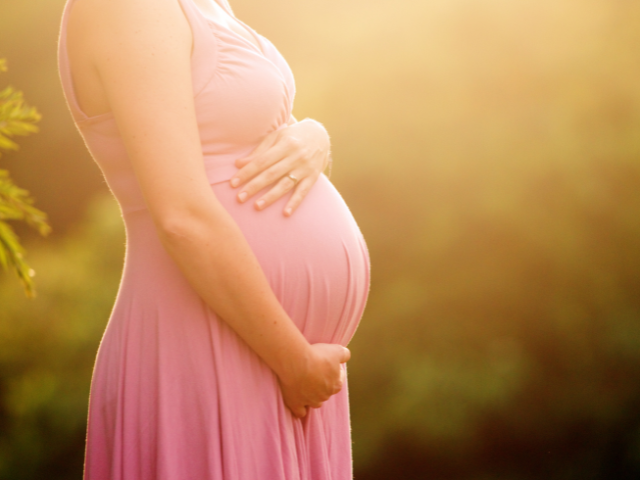
follow-up after pregnancy and delivery
After pregnancy and delivery, it is important to continue to see the doctor regularly. Check for signs of recurrence and provide treatment as needed.
support system
There are programs to support cancer patients seeking pregnancy and childbirth.
Fertility Preservation
By freezing and preserving eggs and sperm prior to anticancer treatment, patients can aim for pregnancy and childbirth in the future.
Prenatal and postpartum care
Specialized care is available before, during, and after pregnancy and childbirth.
Financial Assistance
High-cost medical care and maternity allowance systems are available.
Summary
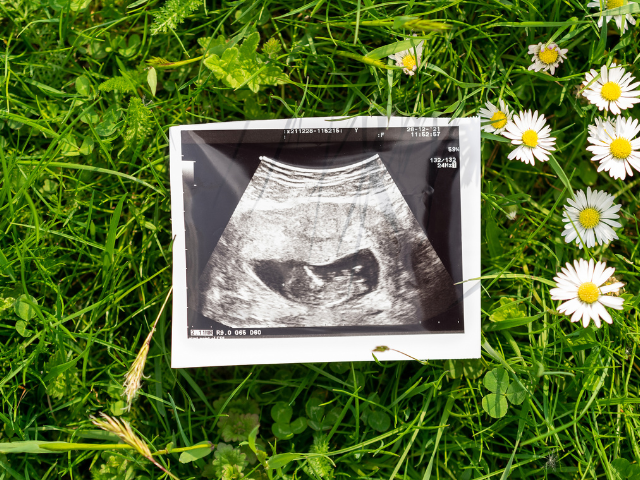
Even if you have cancer, with proper treatment and support, it is possible to achieve pregnancy and childbirth.
However, if you wish to conceive and give birth, be sure to consult with your doctor and consider your individual situation, not just your own judgment!
I am a little relieved to know that pregnancy and childbirth are possible in many cases.
Before I did my research, I thought that “having cancer = no way to get pregnant and have a baby”.
By sharing this with my son, I think I can change his knowledge about cancer and his thoughts on pregnancy and childbirth a little.
Honestly, I don’t think many people in their 20’s know this much, (except for those involved in cancer).
Let’s all learn more about cancer!
Knowing about it will alleviate some of our fears about cancer.